Wren vs Notability: reviewable AI ink on the page
Start with what both apps already do well
If you are weighing Wren against Notability, begin honestly: Notability is a long-established handwriting and note-taking app with its own documented study and AI-assisted features. Its product and feature descriptions on the official Notability homepage cover handwriting, typing, media, and its note-taking workflow, and its handwriting support documentation describes handwriting and conversion in detail. If you want a dependable place to write by hand, mix in media, and keep an organized notebook, Notability does that job and has done it for years.
So this is not a "Notability can't handle handwriting" article, because that would be false. The useful comparison is much narrower, and it is about one specific moment: what happens when you ask AI for help in the middle of a handwritten page, and where that help ends up.
The narrow difference: where the AI result lands
In most AI note workflows, the generated result lives next to your writing rather than inside it. You ask a question, you get a typed answer in a panel or card, and then you decide whether to bring any of it back into your notes. The AI output and your handwriting end up as two separate materials in two separate places.
Wren is built around a different default. When you ask Wren to add a diagram, a formula, or a short explanation, it draws that result as new ink on the same handwritten page, in a hand-matched style, in the space the page left for it. The addition reads as part of the note rather than as a reply in a side conversation.
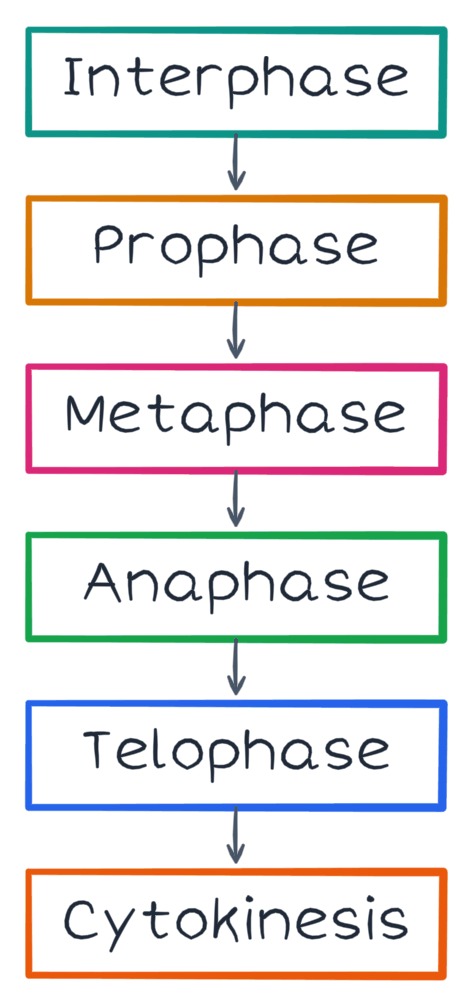
Figure 1. A verified PencilKit flowchart fixture. It shows the kind of AI ink Wren can place beside a handwritten process, so the sequence sits next to the notes that prompted it.
That is the whole claim, and it is deliberately small. Notability gives you strong handwriting plus its own note and study features. Wren adds reviewable AI ink that lands on the page next to your own writing.
Why "on the page" changes how you review
Placement matters because of review, not novelty. When an AI answer sits in a separate panel, reviewing it is a separate task: read it there, judge it, then decide what to copy across. When the answer is drawn onto the page itself, you review it in context, against the exact process or paragraph that prompted it.
With Wren, the draft appears where it will live. You can look at a generated flowchart directly beside the steps you wrote and ask a concrete question: does this sequence match the process I was describing? You are checking one page, not reconciling two surfaces.
And because the addition is a draft, nothing is committed until you say so. Wren does not silently save the result. You read it on the page, then keep it or discard it. If the diagram is wrong or adds clutter, you leave it out and the page stays clean. That keep-or-discard step is the second half of the difference: the note is still your work, and the AI ink only stays if it earns its place.
A practical way to compare them yourself
You do not have to take either description on faith. Run the same page through both apps and watch where the result lands.
- Write out a process or a short concept by hand, with a gap where a visual would help.
- In Notability, use its handwriting and AI-assisted features the way its documentation describes, and note where the generated material appears relative to your writing.
- In Wren, ask for the one missing visual, and note that the result is drawn as ink on the same page.
- In both, ask the practical question: how much work is it to review the result and keep only the useful part?
If your workflow is mostly "write by hand, mix in media, organize, and occasionally generate study material," Notability already serves that well. If your workflow is "write the part I understand, then add one reviewed visual in the same space," that is the specific case Wren is built for.
What to keep in mind
Choose the tool that fits how you actually study, not the longer feature list. Notability has real handwriting, conversion, media, and AI-assisted features, and it will keep serving people who want a well-rounded handwriting notebook. Wren's narrow advantage is the on-page, reviewable AI ink moment: the generated diagram or explanation appears as ink beside your own, and you decide whether it stays.
Common questions
Is this saying Notability has no AI, no handwriting, or no notes?
No. Notability has documented handwriting, note-taking, and AI-assisted features. The only difference discussed here is where AI output appears and how you review it before keeping it.
Does Wren replace handwriting with typed answers?
No. The addition is drawn as ink in a hand-matched style on the same page, so it reads as part of your note rather than as a separate typed reply.
What should I read next?
Compare the smart-notes workflow in Wren vs Notability smart notes, then see the broader positioning in why choose Wren over Goodnotes and Notability.